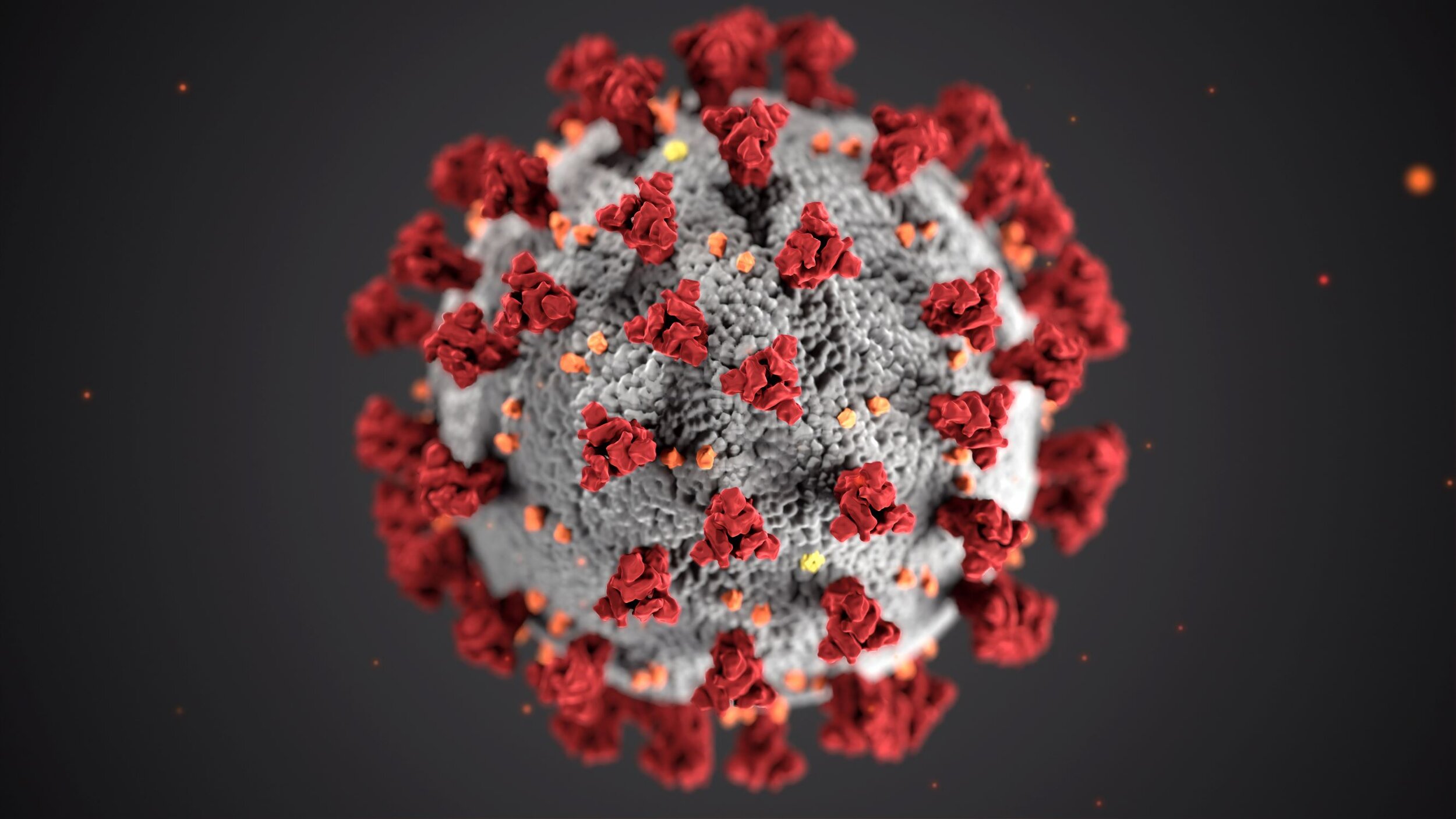
Our community is currently facing a new kind of crisis. Not a natural disaster, but a pandemic. Thankfully, New Orleans knows how to weather storms of all different types.
Understanding the connection between disasters and trafficking
The Greater New Orleans community is vulnerable to a variety of disasters. Human-influenced disasters like pandemics and industrial disasters such as oil spills or nuclear accidents have potential to affect our community. Currently, our community is battling the Coronavirus (also known as COVID-19) pandemic. In the wake of disasters, survivors of the devastation may face another danger: human trafficking. Disasters can cause people to lose their jobs, homes, livelihoods, communities, support systems, and stability. Desperation can force people to take offers that they wouldn't usually take: jobs that seem too good to be true, engaging in work because they feel they have no other choice, working for employers who seem untrustworthy, or taking opportunities that seem potentially dangerous or isolating. Traffickers take advantage of people who are trying to survive in the aftermath of disaster. Additionally, response from organizations like law enforcement, regulatory agencies, and aid/disaster response organizations may not be running properly to effectively serve everyone affected by disaster. This creates an environment that traffickers can prey upon desperate people without intervention from the justice system.
Here are some resources to help navigate these new challenges. We have the chance to be proactive in our care for our vulnerable community members. The work that we do today is a step to help these individuals and potentially prevent additional exploitation or abuse. This isn’t just about trafficking prevention- this is about addressing the broad spectrum of abuse and exploitation that survivors may face in the wake of the current Coronavirus crisis. You can also check out our “Disasters” page to learn more about how Greater New Orleans has been impacted by disasters in the past.
RESOURCES
GNOHTTF Resource guide
Responding During the COVID-19 Pandemic: Information for Greater New Orleans Service Providers
The “Responding During the COVID-19 Pandemic: Information for Greater New Orleans Service Providers” resource guide to support service providers in the Greater New Orleans region during the COVID-19 pandemic.
In this document we discuss the ripple effects this pandemic may have on our clients and communities. We provide information about disaster response for service providers, and offer resources for clients in the Greater New Orleans region to support case managers as they serve our community. This is a living document available for public view on Google drive, and will be updated regularly as information emerges about resources in our community. It is available on Google Drive and also available as a downloadable PDF.
External resources
For resources in the Greater New Orleans region, please check our resource guide for updated information. For national resources on the intersection between COVID-19 and human trafficking, please check out the following information.
Global Protection Cluster: COVID-19 Pandemic Trafficking in Persons (TIP) considerations in internal displacement contexts March 2020
Webinar: “Supporting CSEY with Trauma-Informed Advocacy/Case Management During COVID-19”
Polaris, blog: “COVID-19 May Increase Human Trafficking in Vulnerable Populations”
ACF OTIP: Resources on COVID-19